
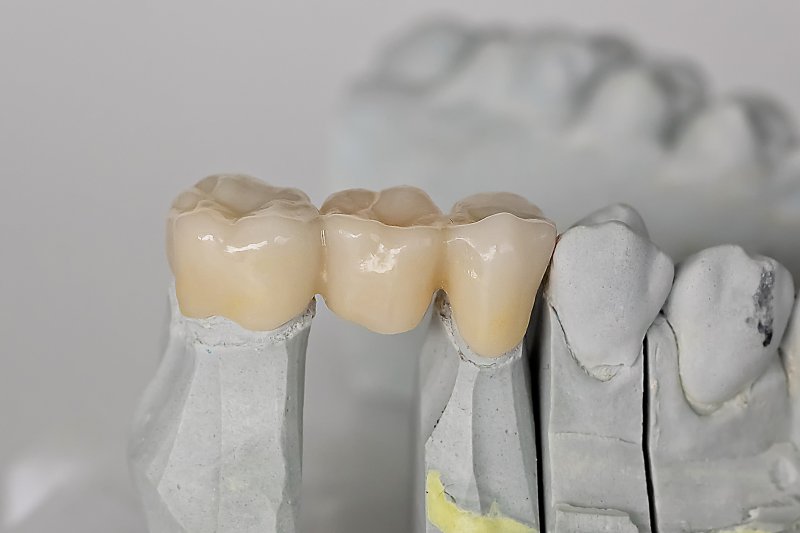
Dental bridges are used to fill in the spaces left behind by multiple missing teeth. Reliable and long-lasting, these affixed prosthetics make it easy to enjoy life in a variety of ways, including eating a meal with family, talking to your grandchildren without slurring your speech, and smiling with complete confidence. But are all dental bridges successful? Unfortunately, this is not always the case. Here are 3 ways you can prevent failure.
What Can Cause a Dental Bridge to Fail?
Unsure what can lead to possible dental bridge failure? Here are a few reasons:
- Healthy abutment teeth are no longer as supportive as they once were, which is causing your dental bridge to loosen.
- Poor oral hygiene is causing dental decay and infection to affect your natural and artificial teeth.
- Unhealthy lifestyle habits, such as smoking, eating ice, biting your fingernails, and chewing on inanimate objects. Also, consuming hard, sticky, and chewy foods can cause your crown(s) to dislodge.
- A lack of jawbone support, as the persistent pressure placed on the jaw during dental bridge treatment can cause your jaw to wear down and eventually cause the bridge to fail.
How Can You Prevent Dental Bridge Failure?
Taking proper care of your artificial teeth is just as important as cleaning the rest of your smile. Common oral health problems can arise and target your bridge, so if you want to make sure it lasts the 15-year average, you can:
- Practice good oral health and hygiene by staying on top of your daily routine at home. This means brushing your teeth twice daily for 2 minutes with fluoride toothpaste. Also, floss at least once a day and use a water irrigator (if necessary) to clean under your bridge.
- Give up unhealthy habits that can damage your bridge and cause it to loosen over time. Whether it’s limiting your consumption of sticky, sweet, or crunchy foods, no longer “snacking” on ice, or replacing pens and pencils with sugar-free gum, you can safeguard your bridge and natural teeth from potential harm.
- Ask your dentist about the health of your prosthetic and when it is time for a new one. Keeping up with your regular six-month dental checkups and cleanings ensures your bridge remains healthy, intact, and long-lasting, especially when you entrust it to a licensed, highly experienced dental professional.
Your dental bridge deserves to remain in place for as long as possible. By keeping these preventive tips in mind, you can be sure to continue enjoying the effects of your new smile year after year.
About the Authors
Dr. Piro Leno has advanced training in prosthodontics, while Dr. Konstantinos Vazouras is board-certified in prosthodontics. Offering patients superb prosthetics to address incomplete smiles, the two provide custom-made dental bridges to restore and improve your oral health and aesthetics. Ready to fill in the gaps and keep your new smile looking and feeling its best in the years ahead? If so, visit our website or call (781) 665-1552 to schedule an appointment to discuss how to maintain your dental bridge.